Your Pharmacist Could Have Caught That: How Baltic Pharmacy Training Unlocks a Level of Care Americans Rarely Receive
The Pharmacy Visit That Surprised an American Abroad
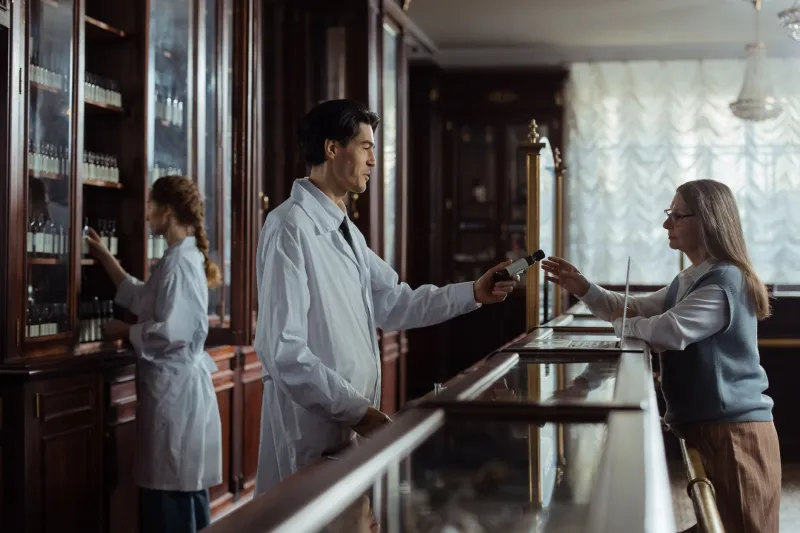
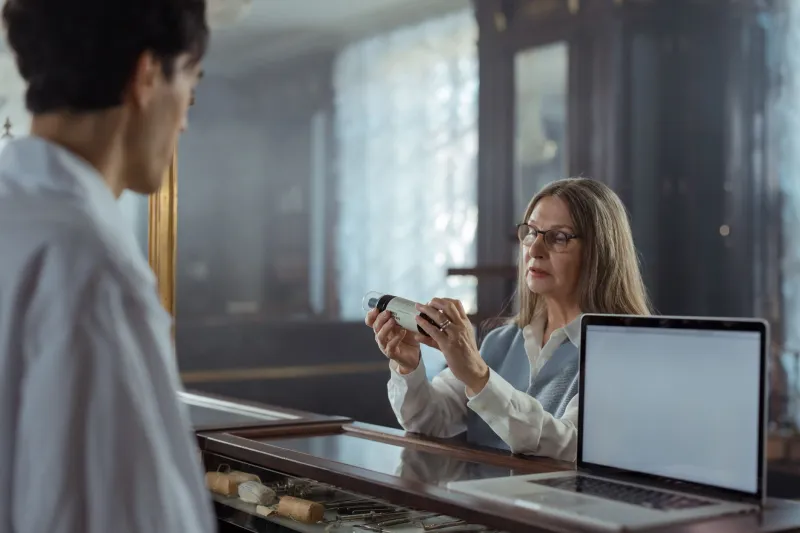
Imagine walking into a pharmacy with a nagging ear ache, describing your symptoms to the pharmacist, and leaving fifteen minutes later with a recommended treatment plan, a product tailored to your specific presentation, and a clear set of instructions about when to seek further care — all without booking an appointment, sitting in a waiting room, or paying a specialist co-pay.
For millions of people in Lithuania, Latvia, Estonia, and across Eastern Europe, this is not a remarkable experience. It is simply Tuesday.
For most Americans, however, the idea that a pharmacist could function in this capacity feels almost foreign. In the United States, pharmacists are widely understood as medication dispensers — professionals who verify prescriptions, counsel patients on drug interactions, and ensure the correct dosage leaves the counter. What they are rarely empowered to do, at least in the public's perception, is serve as a first point of clinical contact for health concerns.
That distinction carries real consequences for patient outcomes, healthcare costs, and the burden placed on primary care systems.
What Baltic Pharmacy Education Actually Looks Like
To understand why Eastern European pharmacists operate differently, it helps to examine how they are trained. In Lithuania, pharmacy is a five-year university program that integrates substantial coursework in clinical pharmacology, pathophysiology, and patient assessment alongside the chemistry and compounding knowledge Americans might expect. Graduates emerge not merely as medication experts but as health professionals capable of evaluating symptoms in context.
"We are taught to ask the right questions," explains one Vilnius-based pharmacist with over a decade of community practice experience. "When someone comes in describing a cough, we are not reaching for the nearest bottle. We are thinking: how long has this lasted, is there fever, what does the mucus look like, are there any underlying conditions? We are building a clinical picture."
This approach is reinforced by regulatory frameworks that formally recognize the pharmacist's role in primary care triage. In Lithuania, pharmacists are permitted — and professionally expected — to recommend treatment for a defined set of minor ailments, advise on appropriate over-the-counter therapies, and refer patients to physicians when symptom profiles suggest something more serious.
The conditions they routinely manage include seasonal allergies, mild urinary tract infections, early-stage skin infections, digestive disturbances, minor musculoskeletal pain, and upper respiratory complaints. In many cases, patients never need to see a doctor at all.
The American Contrast: Restriction by Design
In the United States, the pharmacist's scope of practice is considerably more constrained — not because American pharmacists lack knowledge, but because the system was not built around deploying that knowledge at the community level.
US pharmacy programs are rigorous, typically culminating in a Doctor of Pharmacy (PharmD) degree that involves extensive clinical training. Yet once those graduates enter community practice, much of their clinical capability goes underutilized. Workflow demands, liability concerns, and a healthcare structure that routes patients toward physician offices first have historically kept pharmacists in a reactive rather than proactive role.
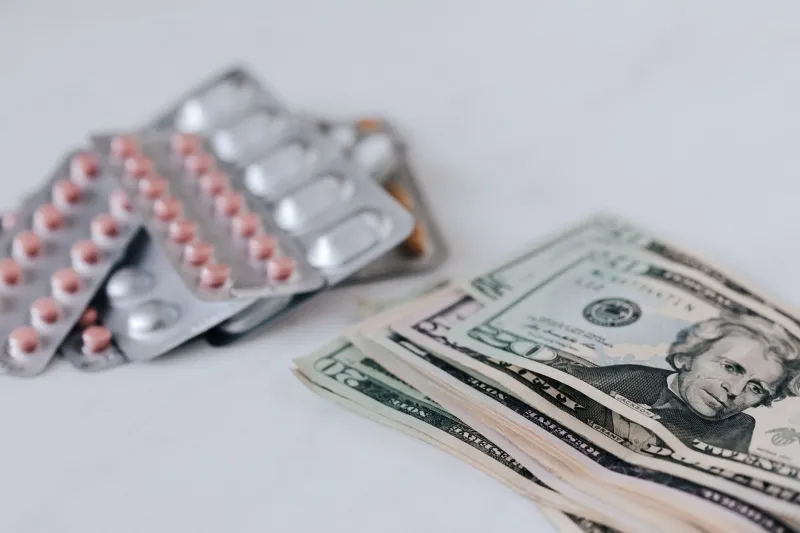
The result is a bottleneck that Americans have come to accept as normal. A patient with a suspected sinus infection schedules an appointment, waits several days for availability, spends time in a waiting room, pays a co-pay or out-of-pocket fee, receives a prescription, and then visits the pharmacy to fill it. The entire process might take a week and cost hundreds of dollars.
In Kaunas or Tallinn, the same patient walks into a pharmacy, describes their symptoms, receives an appropriate recommendation or referral within minutes, and goes about their day.
Minor Conditions, Major Costs
The financial implications of this gap are not trivial. According to research on US healthcare utilization, a substantial portion of urgent care and emergency room visits are for conditions that could be managed at a primary care or pharmacy level. Each of those visits carries a cost — to the patient, to the insurer, and to the healthcare system as a whole.
Eastern European pharmacy models essentially intercept a meaningful share of these visits before they escalate. When a pharmacist in Riga identifies that a patient's symptoms suggest a mild, uncomplicated bladder infection and recommends an appropriate evidence-based treatment, that patient avoids a physician visit that might have cost several hundred dollars in the US context.
"We think of ourselves as the first wall," says one Estonian pharmacist who trained in Tartu and has since consulted with health systems internationally. "If we do our job well, we protect the doctors for the patients who truly need them. And we protect the patients from unnecessary costs and delays."
This philosophy is embedded in how Eastern European pharmacies are organized. Staff are trained to conduct brief consultations, and the physical layout of many Baltic pharmacies includes semi-private counseling spaces where a patient can speak candidly without being overheard at a busy counter.
What American Patients Are Not Asking — But Could Be
Part of the gap is cultural. American patients have been conditioned to view the pharmacy as a transactional stop rather than a healthcare destination. They pick up their prescription, perhaps ask about a drug interaction, and leave. The idea of describing symptoms to a pharmacist and expecting a meaningful clinical response simply does not occur to most people.
This is beginning to shift. Several US states have expanded pharmacist authority in recent years, allowing them to prescribe certain medications — including hormonal contraceptives and some antivirals — without a physician's order. The COVID-19 pandemic further elevated the pharmacist's public profile, with many Americans receiving vaccines and testing guidance at their local pharmacy for the first time.
But these expansions remain uneven and incomplete. The infrastructure, training culture, and regulatory clarity that make Baltic pharmacists effective first-contact providers have not yet been replicated at scale in the United States.
Lessons Worth Importing
The Eastern European model offers a practical template that does not require dismantling the US healthcare system to implement. The key elements — robust clinical training, clearly defined scope of practice, physical environments that support consultation, and a cultural expectation that pharmacists are healthcare partners — are all adaptable.
Advocates for pharmacy practice reform in the US have pointed to Lithuania and its Baltic neighbors as evidence that expanding pharmacist authority reduces costs, improves access, and does not compromise patient safety. Studies from European markets consistently show that pharmacist-led management of minor ailments maintains appropriate referral rates while decreasing unnecessary physician consultations.
For American patients navigating a healthcare system defined by cost and access barriers, the case is straightforward: a pharmacist who is empowered, trained, and trusted to manage minor conditions is a resource that currently exists in their community — and is, in most cases, being underused.
A Different Relationship With Your Pharmacist
The next time you visit a pharmacy with a minor health concern, consider asking. Describe your symptoms. Ask whether this is something the pharmacist can help assess. In many cases — particularly in states where scope of practice has expanded — you may find a more substantive conversation than you expected.
The knowledge is there. The training is there. What Eastern Europe has, and what the US is slowly working toward, is a system that fully puts both to work.