8 Eastern European Remedies With Real Science Behind Them That Most Americans Have Never Heard Of
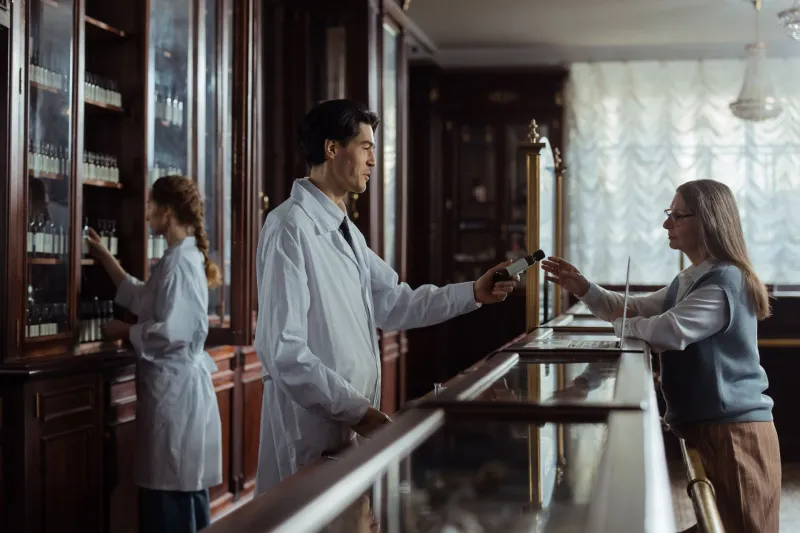
Walk into any pharmacy in Vilnius or Kaunas and you will find shelves stocked with products that would look unfamiliar to most American shoppers. Alongside conventional pharmaceuticals sit tinctures of valerian root, standardized elderberry extracts, adaptogenic preparations, and fermented plant-based formulas that have been part of Baltic healthcare culture for centuries.
These are not fringe products sold in dimly lit health food stores. In Lithuania and across Eastern Europe, many herbal and natural preparations are regulated, standardized, and dispensed by licensed pharmacists who take their therapeutic potential seriously. At Aptekai.t, we believe American consumers deserve access to this knowledge — alongside a clear-eyed assessment of what the science actually supports.
The following eight remedies represent some of the most compelling examples: products widely trusted in Eastern European pharmacy practice that have also attracted meaningful clinical and laboratory research.
1. Valerian Root (Valeriana officinalis)
What Eastern Europeans use it for: Sleep support, anxiety relief, and nervous system calming — particularly in the form of standardized liquid extracts or film-coated tablets available OTC in Baltic pharmacies.
What the science says: Multiple randomized controlled trials have examined valerian's effect on sleep quality, with several reporting modest but statistically significant improvements in sleep latency and subjective sleep quality. A 2020 meta-analysis published in PLOS ONE found that valerian preparations were associated with improved sleep without the next-day sedation commonly linked to pharmaceutical sleep aids.
What US consumers should know: Valerian is available in the United States as a dietary supplement, but standardization varies enormously between brands. Lithuanian pharmacy preparations typically specify valeric acid content, offering more predictable dosing. Consult a healthcare provider if you take sedative medications, as interactions are possible.
2. Rhodiola Rosea (Arctic Root)
What Eastern Europeans use it for: Mental fatigue, stress resilience, and cognitive performance — particularly popular among students and shift workers in Baltic countries, where it is sold in standardized extract form.
What the science says: Rhodiola has been studied more rigorously than most adaptogens. A double-blind, placebo-controlled trial published in Phytomedicine found that Rhodiola supplementation significantly reduced burnout symptoms in stressed adults over a 12-week period. Research suggests its active compounds — rosavins and salidroside — may modulate the hypothalamic-pituitary-adrenal (HPA) axis, the system governing the body's stress response.
What US consumers should know: Rhodiola supplements are available in the US, but quality control is inconsistent. Look for products standardized to at least 3% rosavins and 1% salidroside. Those with bipolar disorder or taking antidepressants should consult a physician before use.
3. Birch Leaf Extract (Betula pendula)
What Eastern Europeans use it for: Urinary tract support, mild diuretic effects, and joint comfort. Birch preparations — teas, tinctures, and standardized extracts — are staples of Lithuanian folk medicine and are sold in pharmacies across the Baltic region.
What the science says: Birch leaves contain flavonoids, including hyperoside and rutin, which have demonstrated anti-inflammatory and mild diuretic properties in laboratory studies. A clinical study published in Arzneimittelforschung found that a standardized birch leaf extract increased urine volume and improved symptoms in patients with minor urinary tract irritations.
What US consumers should know: Birch leaf products are less common in American health stores but can be found through specialty importers. They are generally well-tolerated but should be avoided by individuals with known birch pollen allergies.
4. Elderberry (Sambucus nigra) Standardized Syrup
What Eastern Europeans use it for: Immune support during cold and flu season — elderberry syrup is a fixture in Baltic pharmacies and is frequently recommended by pharmacists at the first sign of respiratory illness.
What the science says: Elderberry has accumulated a respectable body of clinical evidence. A 2016 randomized controlled trial found that travelers taking elderberry extract experienced significantly shorter and less severe colds than those receiving placebo. The proposed mechanism involves inhibition of viral neuraminidase — a target also exploited by pharmaceutical antivirals like oseltamivir (Tamiflu).
What US consumers should know: Elderberry products are widely available in the US, but standardized pharmaceutical-grade preparations of the type found in Lithuanian pharmacies tend to have more consistent active compound concentrations. Avoid raw elderberries, which can cause gastrointestinal distress.
5. Milk Thistle (Silybum marianum) — Silymarin Preparations
What Eastern Europeans use it for: Liver protection and support, particularly following antibiotic courses, alcohol exposure, or in patients with elevated liver enzymes. Silymarin-standardized capsules are prescription-adjacent OTC items in many Eastern European pharmacies.
What the science says: Silymarin, the active flavonoid complex in milk thistle, has been extensively studied for hepatoprotective effects. Research published in Gastroenterology and other peer-reviewed journals supports its role in reducing liver enzyme elevations in patients with non-alcoholic fatty liver disease and certain toxic liver injuries. The evidence for viral hepatitis is more mixed.
What US consumers should know: Milk thistle supplements are available in the US, but silymarin content varies. Look for products standardized to 70-80% silymarin. This supplement is generally safe but may interact with certain medications metabolized by the liver.
6. Propolis (Bee Resin) Preparations
What Eastern Europeans use it for: Throat and oral health, wound care, and immune modulation. Propolis tinctures and sprays are widely used in Lithuania and Poland, where beekeeping traditions run deep and propolis is regarded as a serious therapeutic agent.
What the science says: Propolis contains over 300 identified compounds, including flavonoids and phenolic acids with demonstrated antimicrobial and anti-inflammatory activity. Clinical trials have shown propolis mouthwash to be effective in reducing oral bacteria and supporting healing after dental procedures. A review in Phytotherapy Research concluded that propolis preparations show meaningful antibacterial activity against several common pathogens, including some resistant strains.
What US consumers should know: Propolis products are available in US health stores. Those with bee or honey allergies should exercise caution, as allergic reactions — though uncommon — have been reported.
7. Linden Flower (Tilia cordata) Tea and Extract
What Eastern Europeans use it for: Fever management, cold symptom relief, and mild anxiety. Linden flower tea is one of the most beloved home remedies across Lithuania and neighboring countries, and standardized extracts are sold in pharmacies as supportive treatments.
What the science says: Linden flower contains flavonoids and volatile oils, including tiliroside and farnesol, which have demonstrated mild sedative and diaphoretic (sweat-inducing) properties in preclinical studies. While large-scale human clinical trials are limited, the European Medicines Agency has formally recognized linden flower preparations for traditional use in relieving cold symptoms and mild nervous tension, based on decades of documented safe use.
What US consumers should know: Linden flower tea is available in specialty tea shops and some health food stores. It is considered very safe for most adults and children but should not replace medical care for high or persistent fevers.
8. Sea Buckthorn (Hippophae rhamnoides) Oil
What Eastern Europeans use it for: Skin health, gastrointestinal mucosal support, and as a concentrated source of omega-7 fatty acids and fat-soluble vitamins. Sea buckthorn products — oils, capsules, and topical preparations — are sold in Baltic pharmacies as both internal and external remedies.
What the science says: Sea buckthorn oil is unusually rich in palmitoleic acid (omega-7), vitamin E, and carotenoids. Research published in the Journal of Nutritional Biochemistry and other outlets suggests that oral sea buckthorn oil may support skin hydration and mucosal integrity. Studies have also explored its potential in managing dry eye syndrome and vaginal atrophy, with promising early results.
What US consumers should know: Sea buckthorn products are gaining visibility in the US wellness market but remain niche. Quality varies significantly between products. Look for cold-pressed oils from reputable suppliers and be aware that high doses may have mild blood-thinning effects.
How to Evaluate Any Natural Remedy: A Framework from Aptekai.t
The remedies above represent the stronger end of the evidence spectrum for Eastern European natural preparations. However, not every traditional remedy has equivalent scientific support, and the natural products market — in both Europe and the United States — contains products of widely varying quality and credibility.
When evaluating any supplement or herbal preparation, consider the following:
- Standardization: Is the active compound specified on the label with a defined concentration?
- Regulatory standing: Has the product been evaluated by the EMA, the US Pharmacopeia, or another credible body?
- Clinical evidence: Are there published human clinical trials, or only laboratory and animal data?
- Interaction potential: Does the compound affect drug-metabolizing enzymes or share mechanisms with your current medications?
- Source transparency: Does the manufacturer disclose sourcing, testing, and quality control practices?
At Aptekai.t, our commitment is to present the evidence honestly — acknowledging both the genuine therapeutic potential of Eastern European pharmacy traditions and the limits of what current science can confirm. Natural does not automatically mean safe, and traditional use, while meaningful, is not a substitute for clinical validation.
Consult your healthcare provider before adding any new supplement to your regimen, particularly if you manage a chronic condition or take prescription medications.