The Medicine Cabinet Is Not a Trash Can: A Practical Guide to Drug Take-Back, Baltic Style
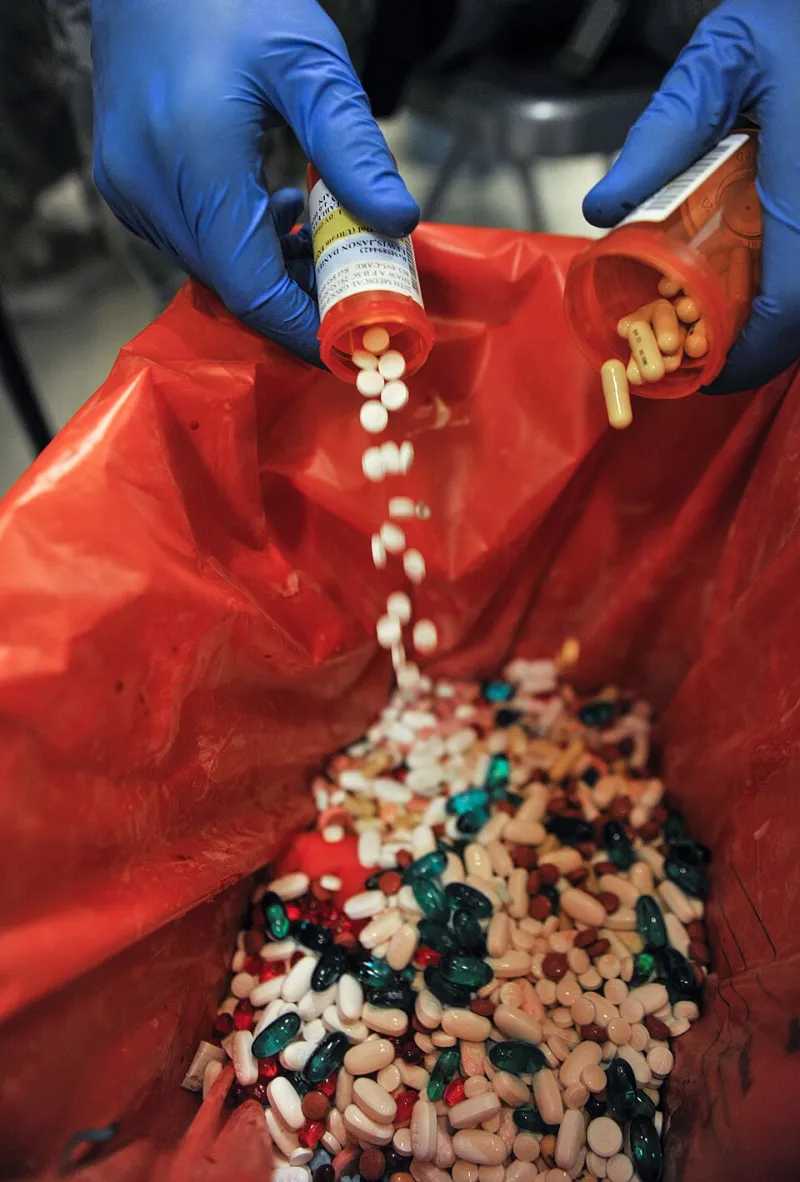
Photo: Nacho Anazawa, Public domain, via Wikimedia Commons
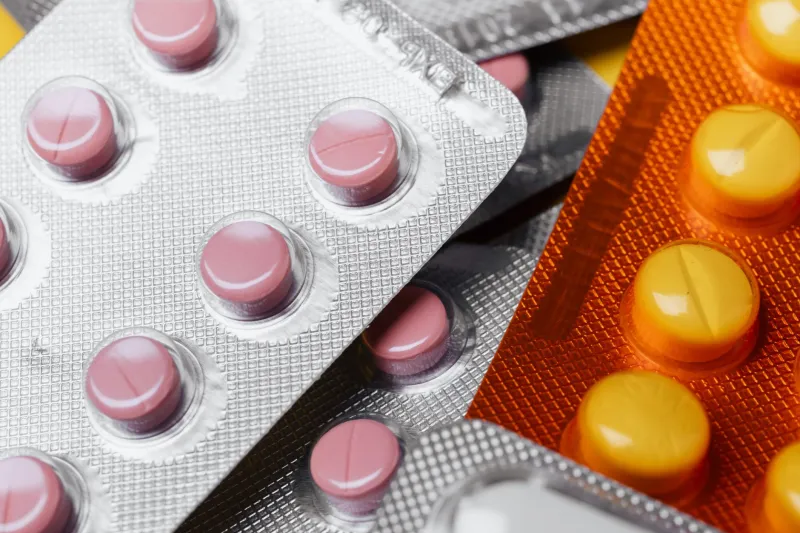
Most American homes contain a small, unregulated pharmacy: a bottle of expired antibiotics, a half-used blister pack of painkillers, a cream from a condition that resolved years ago, and perhaps a controlled substance that nobody remembers to return. The usual solutions are the trash can, the toilet, or the back of a drawer. None of those is a system. In Lithuania, Latvia, and Estonia, the pharmacy counter is a more familiar endpoint for unused and expired medicines. The exact rules vary, and not every pharmacy accepts every item, but the cultural expectation is consistent: medicine should go back to the pharmacy, not into the water supply or the household waste.
Why disposal is a pharmacy issue
Disposal looks like a household chore. It is actually a public health issue with three faces. The first is diversion. Unused opioids, sedatives, and stimulants in a home can be taken accidentally, shared, or stolen. The second is poisoning. Children and pets explore cabinets. Older adults may confuse old bottles with current ones. The third is environmental contamination. When medicines are flushed or thrown in the trash, active ingredients can enter waterways or landfill leachate. Wastewater treatment plants are not designed to remove every pharmaceutical compound.
The Baltic approach does not solve every problem, but it changes the default. Instead of asking a patient to decide whether to flush, trash, or hoard, the system gives them a place to return medicine. That place is already part of their health routine. They go there for prescriptions, advice, and sometimes a blood pressure check. Adding safe disposal to that relationship is practical.
What the Baltic take-back culture gets right
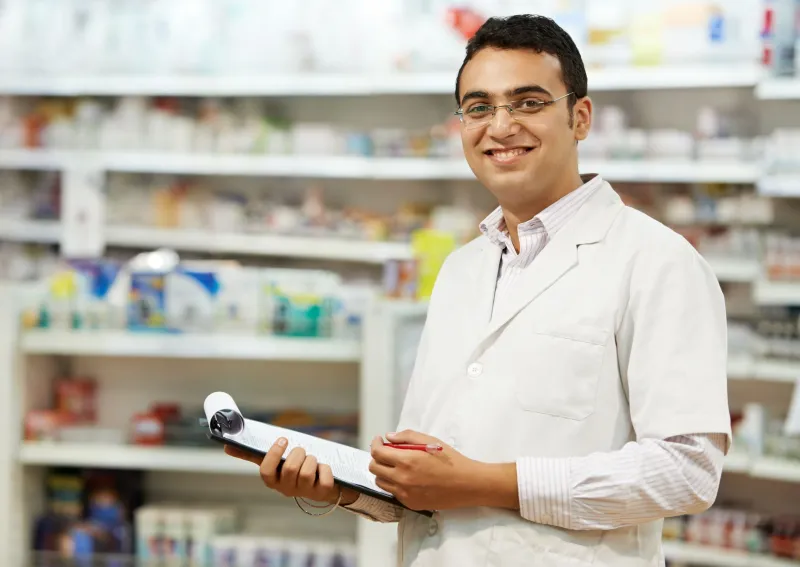
In many Eastern European pharmacies, collection of unused medicines is treated as a professional service. Pharmacies may provide designated containers or partner with municipal waste systems. Patients are encouraged to bring medicines in their original packaging so that staff can identify what is being returned. The pharmacy does not necessarily destroy the medicine on site; it serves as a collection point in a regulated chain. The details are local, but the signal is clear: the pharmacy is responsible for the safe end of the medicine's life, not just the beginning.
This matters because convenience shapes behavior. A take-back system that requires a special trip once a year will capture only the most motivated households. A system that lets people return medicines during a normal pharmacy visit captures the rest. The Baltic model also normalizes the conversation. A pharmacist can ask, Do you have any expired medicines at home? That question is less strange when the answer is a routine return rather than a confession.
America's confusing patchwork
As of 2026, the United States has several disposal options, but they are not equally available or equally understood. The Drug Enforcement Administration sponsors periodic national take-back days. Some pharmacies host authorized collection kiosks. Mail-back envelopes exist for certain medicines. The Food and Drug Administration maintains a short flush list for medicines that are especially dangerous when they cannot be returned. Local hazardous waste programs vary by county and state.
The result is a patchwork that asks too much of ordinary households. A patient may be told to flush a medicine that should not be flushed, or to trash a medicine that should be returned, or to drive forty minutes to a take-back event that happens twice a year. Guidance is often accurate but fragmented. The safest choice depends on the medicine, the community, and the available options. That is not a reasonable decision to leave to someone standing over a toilet at midnight.
A household checklist that actually works
A practical disposal routine should be simple enough to repeat. The following checklist is not a substitute for local rules, but it gives American households a safer default.
- Store medicines in a cool, dry place away from heat and moisture. The bathroom cabinet is often the worst choice because of humidity.
- Keep controlled substances locked or at least out of sight and reach. Count them periodically if someone in the home is at risk of diversion.
- Review the cabinet at least twice a year. Set a reminder for the same months as a national take-back event, even if you use a different option.
- Separate expired medicines from current ones. Do not mix them in a single unlabeled bag.
- Find an authorized take-back option before you need it. Check whether a local pharmacy has a kiosk, whether your police department accepts medicines, or whether a mail-back program is available.
- For take-back, keep medicines in their original containers when the site requires it. Remove or redact personal information according to the site's instructions.
- Do not flush medicines unless they appear on the FDA flush list and no take-back option is realistic. The flush list exists for a reason, but it is not a general disposal instruction.
- If you must use the trash, follow official guidance. That usually means mixing the medicine with an undesirable substance, sealing it in a container, and placing it out of reach until collection day.
- Never crush, open, or mix medicines unnecessarily. Some formulations are dangerous when broken.
- Ask your pharmacist whether the pharmacy accepts unused medicines, including controlled substances, and what it cannot accept.
Questions to ask at the counter
The American patient should not have to become a waste-regulation expert. A few questions can clarify the local system.
- Does this pharmacy accept unused or expired medicines?
- Can it accept controlled substances, or only non-controlled medicines?
- Is there a mail-back option for people who cannot travel?
- What should I do with liquids, inhalers, patches, or sharps?
- How should I package the medicines before I bring them in?
- Where can I find the next local take-back event if this pharmacy does not collect?
The larger point
Safe disposal is not glamorous. It does not produce a new drug or a dramatic cure. It is the unglamorous infrastructure that keeps medicines from becoming household hazards. The Baltic pharmacy culture treats that infrastructure as part of ordinary care. American patients deserve a clearer version of the same idea: a known place, a simple routine, and guidance that does not change depending on which website they read last.
Aptekai.t's recommendation is modest. Do not flush by default. Do not trash by default. Find out what your pharmacy and community actually accept, then build a twice-yearly routine around that answer. A medicine cabinet should hold what you need, not what you forgot.