Behind the Counter and on the Shelf: How Eastern Europe's OTC Landscape Redefines Patient Freedom
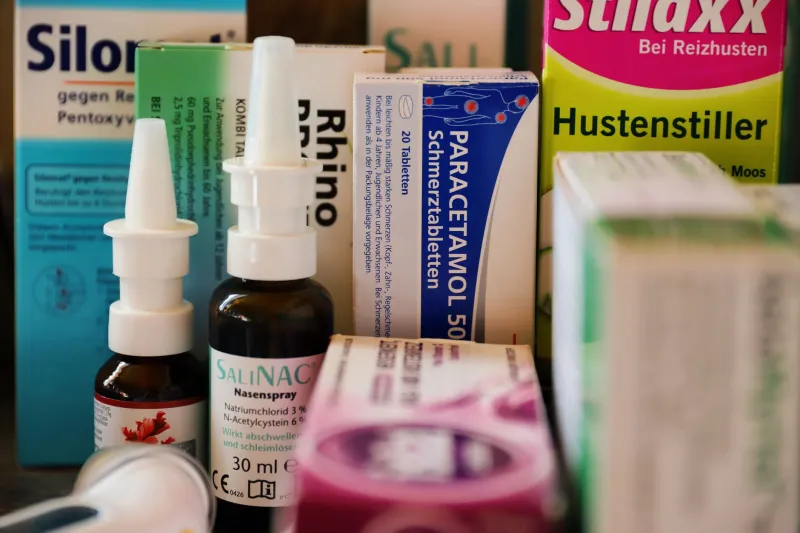
Walk into a pharmacy in Vilnius, Riga, or Warsaw, and something immediately feels different. The shelves are stocked with medications that, in the United States, would require a physician's appointment, an insurance authorization, and sometimes days of waiting. Antihistamines at clinical-grade dosages. Oral contraceptives. Certain antifungal treatments. Low-dose corticosteroids. These are not fringe products quietly tolerated by lenient regulators—they are standard, labeled, and dispensed to informed customers by highly trained pharmacists who understand precisely what they are handing over.
For American patients accustomed to navigating a system built on gatekeeping, the Eastern European over-the-counter model can appear almost radical. But is it? Or is it simply a more honest accounting of what patients are capable of managing for themselves?
What "Over-the-Counter" Actually Means in Eastern Europe
In the United States, the over-the-counter designation is governed by the Food and Drug Administration, which evaluates whether a drug can be used safely without medical supervision. That standard has historically been interpreted conservatively, often requiring extensive evidence that the average consumer—with no clinical training—can self-diagnose, self-dose, and recognize warning signs without professional guidance.
Eastern European regulatory bodies, including Lithuania's State Medicines Control Agency and Poland's Office for Registration of Medicinal Products, operate under frameworks that are partly shaped by the European Medicines Agency. While EMA oversight applies broadly across EU member states, individual countries retain significant discretion over their national OTC classifications. The result is a tiered system that distinguishes not just between prescription and non-prescription drugs, but also between medications available only from a pharmacist versus those freely accessible on open shelves.
This tiered model is crucial. A drug classified as "pharmacy-only" in Lithuania is still available without a prescription—but it is dispensed by a licensed pharmacist who conducts a brief consultation, asks about contraindications, and provides dosing guidance. This middle category simply does not exist in the American regulatory vocabulary in any meaningful form, and its absence creates a significant gap in patient access.
The Medications Americans Cannot Reach Without a Doctor
Consider a practical example. A woman in Chicago who suspects a vaginal yeast infection must either purchase a low-potency OTC antifungal treatment, schedule a physician appointment to obtain a prescription for a more effective option, or navigate urgent care costs that may exceed $150 before any medication is purchased. In Lithuania, a pharmacist can provide a single-dose oral fluconazole treatment—clinically proven, widely used, and available without prescription—after a brief consultation to confirm the presentation and rule out complications.
Similarly, certain low-dose oral contraceptives, progestin-only pills in particular, are available OTC in several European countries based on the evidence that they carry a favorable safety profile and that informed women are capable of self-managing their reproductive health. In the United States, access to hormonal contraception—despite years of advocacy from medical organizations—still requires a prescription in most states, though a small number have begun allowing pharmacist prescribing.
Antibiotics are a deliberate exception. Eastern European pharmacies, particularly since EU harmonization efforts intensified, have significantly tightened antibiotic dispensing precisely because unrestricted access fueled the resistance crisis. This is an important nuance: broader OTC access in the region is not indiscriminate. It reflects category-by-category risk analysis, not a blanket permissiveness.
The Role of the Pharmacist as a Clinical Gatekeeper
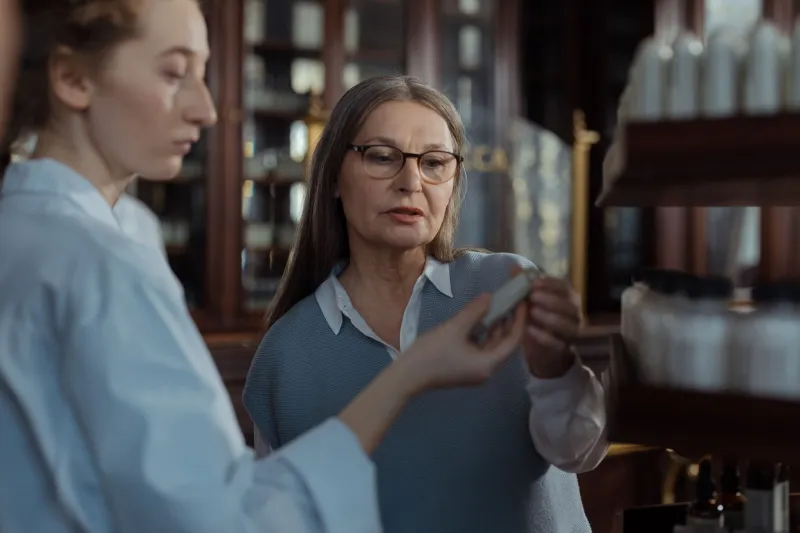
What makes the Eastern European model function—and what American critics of expanded OTC access often overlook—is the role of the pharmacist as an active clinical participant rather than a passive dispenser. In Baltic pharmacy culture, a customer requesting a pharmacy-only medication is not simply handed a box. They are asked about symptoms, current medications, allergies, and medical history. The pharmacist's education, which in Lithuania includes a five-year master's-level degree with substantial clinical training, equips them to make meaningful assessments.
This is the structural safeguard that justifies broader access. The pharmacist does not replace the physician for complex or chronic conditions, but for common, well-understood presentations—a urinary tract infection in an otherwise healthy adult woman, a known seasonal allergy flare, a recurring fungal infection—the pharmacist provides precisely the level of clinical judgment the situation requires.
In the United States, pharmacists possess equivalent or comparable educational credentials. What they lack is the legal framework and the cultural expectation that they should use those credentials in this way.
Does American Conservatism Protect Patients or Protect Profits?
This is the question that European pharmacy professionals often raise when discussing U.S. drug access policy, and it deserves a direct answer. The American model creates several downstream effects that are rarely framed as harms but function as such. Patients who cannot afford a physician visit forgo treatment entirely. Patients who can afford a visit spend time and money accessing a level of clinical oversight that, for their particular condition, may be unnecessary. Physicians spend appointment time on requests that a trained pharmacist could handle. And the system generates revenue at each gatekeeping layer.
None of this is to suggest that prescription requirements are without value. For medications with narrow therapeutic windows, complex interaction profiles, or significant abuse potential, physician oversight is clinically appropriate. The argument is not that America should adopt an anything-goes approach, but that the current classification system has not kept pace with the evidence—or with the capabilities of the pharmacy profession.
Lithuania and its Baltic neighbors demonstrate that expanded OTC access, when paired with a pharmacist-centered consultation model and tiered classification, produces good patient outcomes without the catastrophic misuse scenarios that American regulatory conservatism implicitly predicts.
What a Reformed Model Could Look Like
Advocates for U.S. pharmacy reform have proposed several incremental steps that draw on the European experience. A formal "behind-the-counter" category—distinct from both full OTC and prescription status—would allow pharmacists to dispense certain medications after brief consultation without requiring a physician visit. Several drugs, including naloxone and certain contraceptives, have already moved in this direction, demonstrating that the framework is not legally impossible, only politically slow.
For American patients, particularly those without robust insurance coverage or easy access to primary care, these reforms could represent a meaningful improvement in health equity. The Eastern European model does not ask patients to take risks unsupported. It asks them to take responsibility, with a trained professional standing beside them.
That is a distinction worth understanding—and worth fighting for.