Midnight, Sunday, and the Closed Pharmacy: Five After-Hours Safety Nets Baltic Patients Have
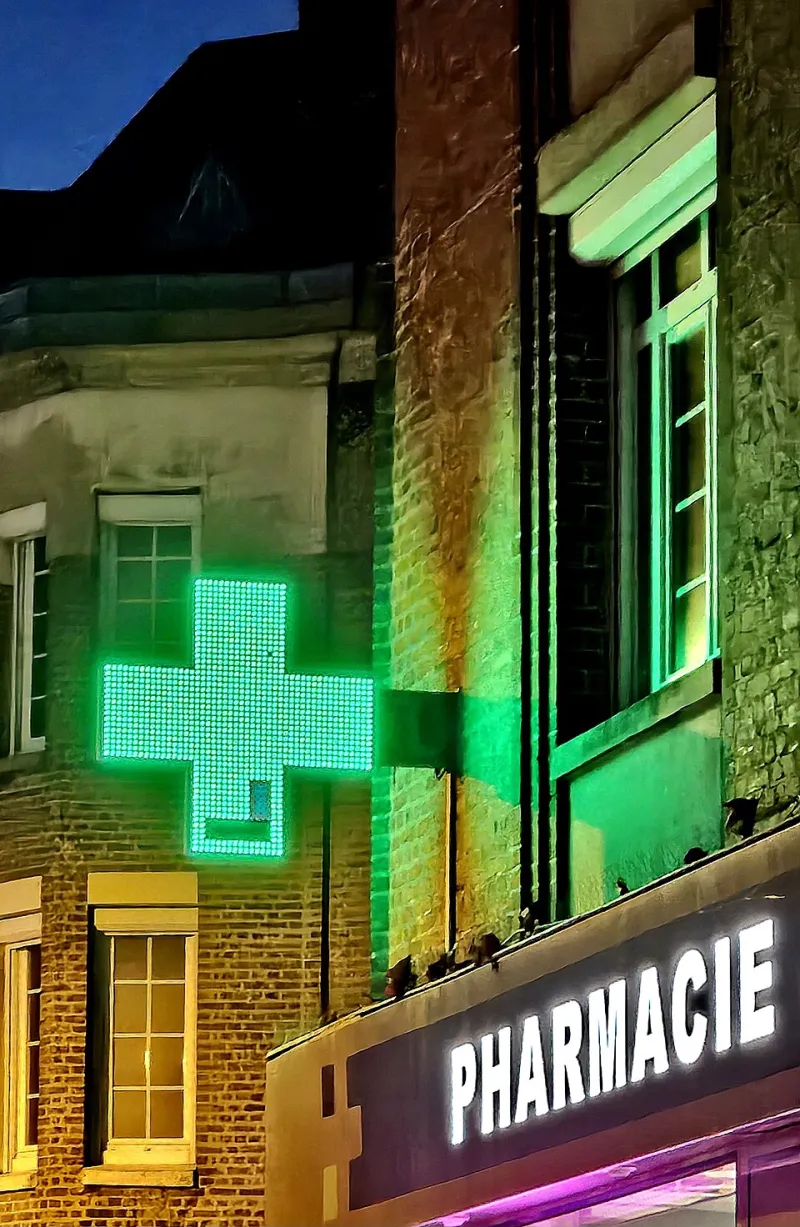
Photo: Rome2, CC BY-SA 4.0, via Wikimedia Commons
Why After-Hours Access Is a Safety Issue
It is 11:47 p.m. on a Sunday, and the prescription bottle is empty. In many American communities, the choices are an emergency department, an urgent care clinic that opens in the morning, or a risky wait. In Lithuania and neighboring Baltic states, the same moment may be met with a pharmacist on call, a designated night pharmacy, or a limited emergency supply rule that keeps treatment moving until the prescriber can be reached.
After-hours access is not a convenience issue. Medication interruptions cause real harm, especially for people with epilepsy, heart disease, diabetes, or serious infections. The American pharmacy landscape in 2026 includes pharmacy deserts, reduced hours, and closures that make the midnight gap wider. The Baltic model is not a utopia, but it offers five safety nets that US patients and policymakers should understand.
1. A Pharmacist on Call
Many Baltic regions maintain on-call pharmacy arrangements or duty pharmacy rotations. A patient can call for advice about a missed dose, a possible interaction, or a medication that has run out. Not every call requires a dispense. Sometimes the right answer is reassurance, a referral, or a plan for the morning.
The United States has poison control centers and nurse advice lines, but after-hours pharmacist access is not guaranteed. Some states allow pharmacist telehealth, and some health systems offer on-call pharmacy services, but coverage is uneven. A pharmacist is often the most accessible medication expert in the health system. Closing that door at night has consequences.
2. Emergency Supply Rules
Several European systems allow a pharmacist to dispense a limited emergency supply of a chronic medicine without a valid prescription, with documentation and notification to the prescriber. The rules vary, and they are not unlimited. The point is continuity: the patient is not forced into an emergency department for a blood pressure pill or an insulin supply because a prescriber's office is closed.
US state laws vary widely. Some states permit emergency refills or emergency supplies under defined conditions, but many patients do not know their state's rules and many pharmacies do not advertise them. Patients should ask in advance, especially before a weekend or holiday.
3. Coordinated Night Pharmacy Rotas
Baltic cities often publish a rota of night pharmacies, and signage directs patients to the nearest open counter. The system is not glamorous, but it is legible. A patient does not need to guess which store might still have a pharmacist awake.
The US has seen a steady decline in 24-hour pharmacies. National chains once provided a late-night backbone in many cities; closures and reduced hours have thinned that network. A local list of 24-hour pharmacies is now a practical safety tool, not a trivial one.
4. Shared Electronic Prescriptions and Records
E-prescriptions and shared medication records allow an after-hours pharmacist to see what was prescribed, what was dispensed, and what interactions may exist. In the Baltic context, national digital infrastructure supports this continuity. The pharmacist is not starting from zero at midnight.
The US has widespread e-prescribing, but records remain fragmented across health systems, pharmacies, and payers. Patients can compensate by carrying an updated medication list and prescriber contact information. It is a low-tech solution to a high-tech gap.
5. Standardized Triage and Referral
Baltic pharmacists are trained to distinguish self-care from urgent care from emergency care. That triage function is part of the profession, not an afterthought. When a child has a fever at midnight, the pharmacist can advise whether to wait, treat, or seek emergency care. The emergency department is not the default answer to every after-hours medication question.
US pharmacists also perform triage, but after-hours access is limited, and patients often default to the emergency department because they do not know where else to go. Better public information about pharmacist availability would reduce unnecessary visits and improve continuity.
A Checklist for American Patients
Patients can build a personal after-hours plan before the crisis arrives. Save the addresses and phone numbers of nearby 24-hour pharmacies. Keep an updated medication list and prescriber contacts in a wallet or phone. Ask the pharmacy about emergency supply rules before a holiday weekend. Call ahead to confirm hours and stock. Use nurse advice lines and pharmacist telehealth when available. Request a bridge supply from the prescriber when a refill is due. Never borrow medicine from a friend or buy from an unverified online seller. Plan refills before weekends and travel. Know the difference between urgent care and emergency care, and ask a pharmacist when unsure.
The Policy Gap
A strong after-hours system requires more than goodwill. It needs reimbursement for pharmacist consultation, clear emergency supply laws, interstate licensure pathways, and public funding for night pharmacy rotations. The Baltic model is not flawless, and smaller countries may have advantages that are difficult to replicate. But the principle is portable: patients should not have to choose between an emergency department and an empty bottle.
Aptekai.t has consistently argued that pharmacy access is a public health issue. At midnight on Sunday, that argument becomes very concrete.