Seven Habits From the Old Vaistinė That Modern Evidence Actually Supports
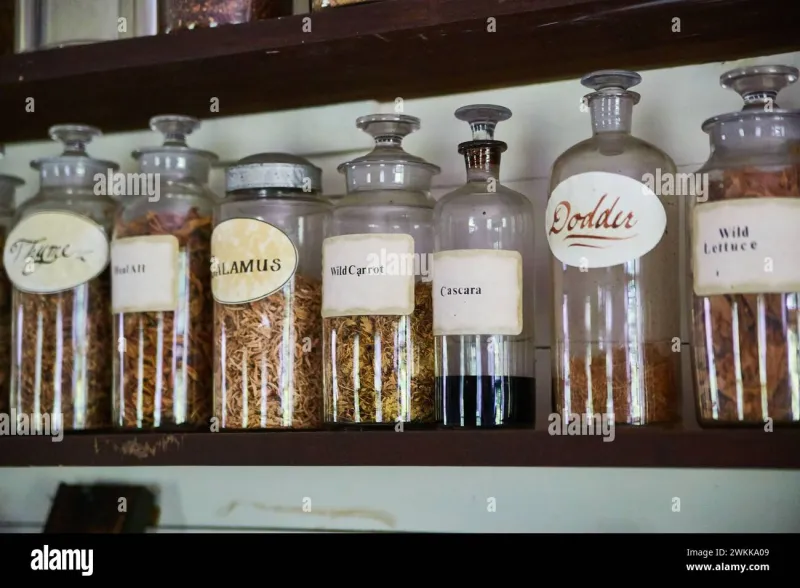
Photo: vintage apothecary pharmacy dried herbs glass jars compounding, via c8.alamy.com
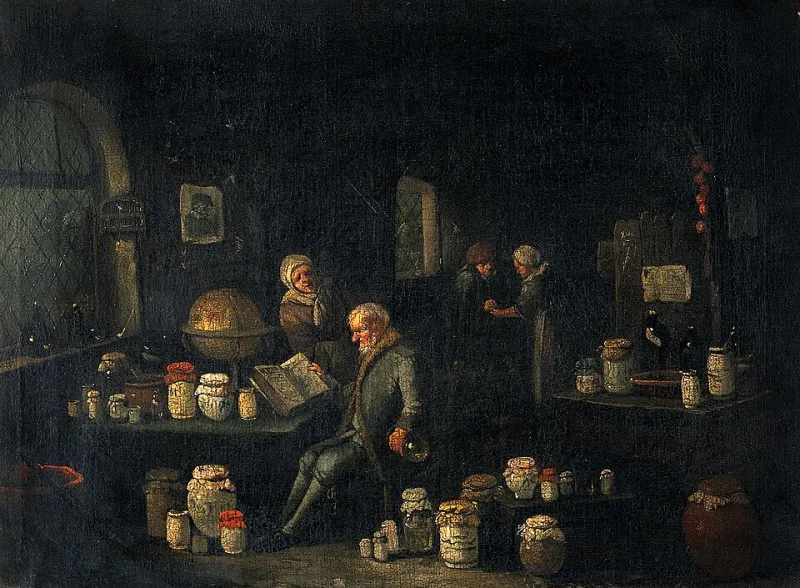
There is a particular nostalgia that clings to the pharmacies of pre-war and Soviet-era Eastern Europe: glass apothecary jars, scales with brass weights, a pharmacist who mixed your ointment while you waited. Some of that nostalgia is deserved and some of it is rose-tinted. Here, we sort through seven old vaistinė practices and ask a simple question—does the evidence hold up?
1. On-Site Compounding
Before industrial manufacturing dominated, most medicines were prepared in the pharmacy itself. Modern sterile compounding carries real risks when done poorly—the 2012 US fungal meningitis outbreak proved that—but simple, non-sterile compounding (a customized cream base, a dye-free pediatric suspension for a child allergic to additives) remains a legitimate, evidence-supported service. Many American patients don't know compounding pharmacies still exist.
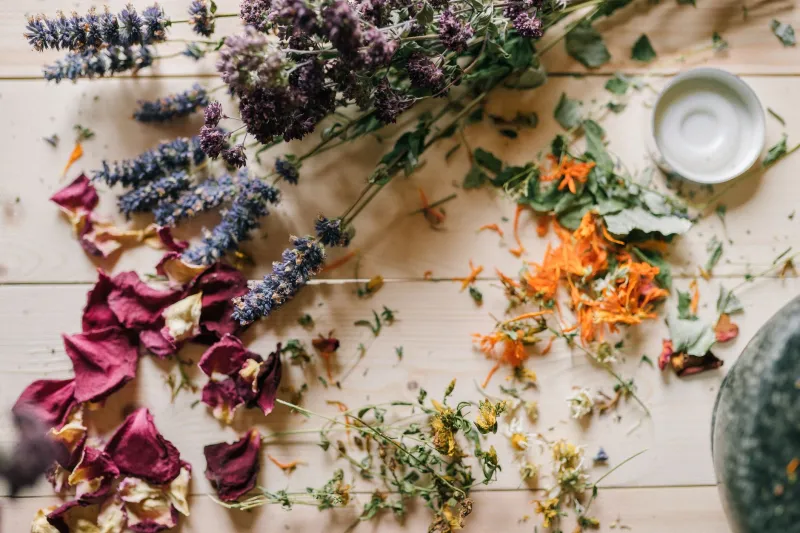
2. Linden Flower Tisane for Colds
Liepų arbata—dried linden blossom steeped as a tea—has been the Lithuanian household response to colds for generations. Verdict: mostly sound. It is not antiviral, but warm fluids, mild diaphoresis, and hydration are genuinely supportive care for upper respiratory infections, and linden is generally recognized as safe. Compare that to the average over-the-counter cold cocktail with marginal efficacy and more side effects.
3. Chamomile Compresses and Rinses
Chamomile's anti-inflammatory and mild antimicrobial properties are among the better-documented in herbal medicine, with trials supporting topical use for skin irritation and oral rinses for mucositis. The old practice of a chamomile sitz bath or eye compress is folk tradition with a plausible pharmacological basis.
4. Pharmacist-Prepared Cough Syrups
Soviet-era pharmacies famously prepared simple syrup-based cough preparations. The honest verdict: most were expectorant placebos. But a pleasant-tasting demulcent syrup for a dry nighttime cough is not worthless—honey-based syrups have shown modest evidence in children over one year, outperforming some OTC options with fewer risks.
5. The Stocked Herbal Shelf, Beside the Pharmaceuticals
In Eastern European pharmacies, dried herbs and pharmaceutical drugs have always shared shelf space, with the pharmacist mediating between them. This arrangement—deprecated in the US in favor of the unregulated supplement aisle—is arguably safer: when an herbal product sits behind the counter, someone trained in drug interactions is supervising its use. St. John's wort's long list of drug interactions is exactly why.
6. Mustard Plasters and Steam Inhalation
The verdict here is cooler. Mustard plasters cause counterirritation without meaningful effect on respiratory illness, and improper use causes burns. Steam inhalation offers symptomatic comfort but carries scald risk, particularly in children. Tradition, yes; evidence, thin.
7. The Pharmacist Who Knew Your Family
The least scientific and most valuable practice on the list: continuity. A pharmacist who remembers that your mother takes warfarin, that you reacted badly to a penicillin, that your toddler is on the third antibiotic this winter—this is clinical information no database captures as reliably as a professional with a memory. American pharmacy chains churn prescriptions through rotating staff and call it care.
What to Rescue, What to Retire
The lesson isn't that the old ways were superior. It's that some low-cost, low-risk practices—herbal teas for symptom support, simple compounding, supervised herbal access, and above all relational continuity—were discarded in the American rush toward scale and speed, and the evidence suggests that was a mistake in at least a few cases.